
Table of Contents
ToggleUnlock the Hidden Power of Nature’s Aromatic Superleaf “Curry Leaves” for Health, Hair, and Wellness
Discover the powerful health benefits of curry leaves—from boosting digestion and hair growth to fighting diabetes and cholesterol. Learn science-backed uses, nutrition facts, and easy ways to add this aromatic superfood to your daily diet.
What Are Curry Leaves?
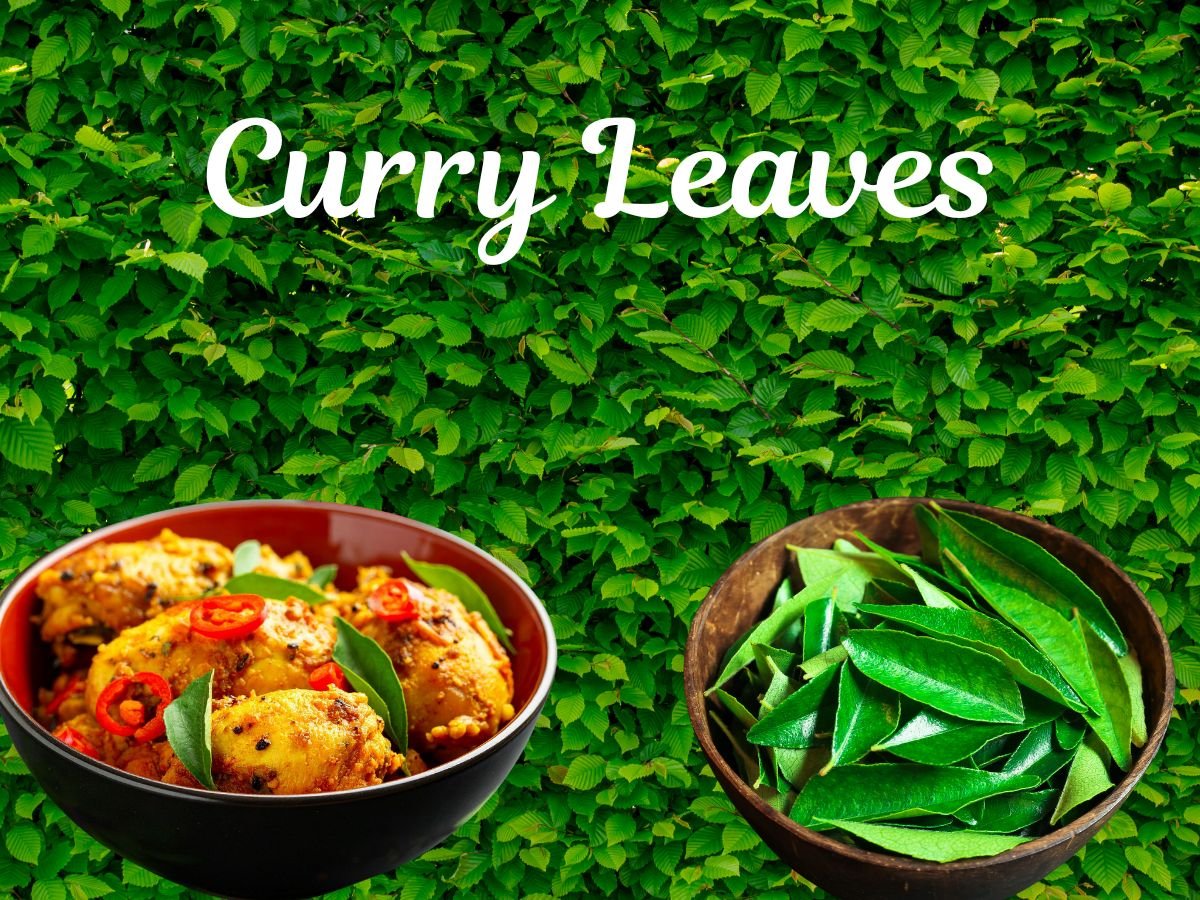
Curry leaves, often referred to as “kari leaf” or “kari patta” (from Hindi/Tamil origins), are the aromatic leaves of the curry tree (Bergera koenigii, formerly Murraya koenigii), a small evergreen tree in the citrus family (Rutaceae). Native to the Indian subcontinent, southern China, and Southeast Asia, the tree grows 4–6 meters (13–20 feet) tall with pinnate leaves consisting of 11–21 glossy, elliptical leaflets (each 2–4 cm long). It produces small white flowers and edible black berries (though the seeds are toxic). The leaves have a distinctive citrusy, pungent aroma reminiscent of lemongrass, anise, and asafoetida, but with a unique spicy, slightly bitter edge—unrelated to curry powder, despite the name. The term “curry” derives from the Tamil word kari (meaning blackened or spiced), referencing their use in flavorful sauces.
These leaves are a staple in South Indian, Sri Lankan, and Southeast Asian cuisines, where they’re prized for adding depth to dishes. Fresh leaves are preferred for their intense flavor, but dried or powdered versions are common alternatives. They’re also valued in Ayurvedic medicine for their nutrient density and potential health benefits.
Culinary Uses
Curry leaves are versatile and typically used whole or crushed to infuse flavor, rather than eaten raw in large quantities (though they’re edible). Key tips:
Tempering (Tadka): Fry 8–12 fresh leaves in hot oil or ghee with mustard seeds, cumin, or garlic until crisp and fragrant (1–2 minutes). Pour over dals, curries, rice, or soups for an aromatic finish.
In Curries and Stews: Add to vegetable, meat, or seafood curries (e.g., fish curry or chickpea masala) during cooking for subtle citrus notes.
Chutneys and Sides: Blend into coconut chutney with green chilies, or make a simple paste with yogurt for a dip.
Other Ideas: Stir into scrambled eggs, popcorn, or roasted potatoes; use in marinades for grilled chicken; or brew as tea for a digestive infusion.
Storage: Fresh leaves last 1–2 weeks in the fridge (wrapped in a damp paper towel in a bag). Dried leaves keep for months in an airtight jar but lose potency—use twice as much as fresh. Avoid freezing, as it diminishes aroma.
No direct substitute exists, but kaffir lime leaves, lemon zest, or bay leaves can approximate the citrusy profile in a pinch.
Health Benefits
Curry leaves are nutrient-rich (per 100g: ~108 calories, vitamins A, B, C, E; minerals like calcium, iron, and beta-carotene) and packed with antioxidants like quercetin and catechins. While human studies are limited, animal and test-tube research suggests several benefits:
Antioxidant Protection: Help combat oxidative stress, potentially protecting the brain, heart, kidneys, and nerves from damage.
Blood Sugar Control: May lower glucose and improve insulin sensitivity, beneficial for diabetes management.
Heart Health: Reduce cholesterol and triglycerides; anti-inflammatory compounds like mahanimbine may prevent fat buildup and atherosclerosis.
Digestive Aid: Promote gut health, ease indigestion, and act as a mild laxative.
Hair and Skin: Stimulate follicles to reduce hair fall and premature graying; applied topically (as oil or paste), they soothe skin issues like acne or eczema.
Anti-Cancer Potential: Compounds like girinimbine show toxicity to breast, colon, and cervical cancer cells in lab studies, inhibiting tumor growth.
Weight Management: Boost metabolism and aid fat breakdown.
Other: May support bone health (high calcium) and cognitive function (e.g., against Alzheimer’s markers).
Consume moderately (e.g., 10–15 leaves daily in food) as a supplement; consult a doctor for medicinal use, especially if pregnant, allergic, or on medications. Side effects are rare but could include allergies in sensitive individuals.
Growing Your Own
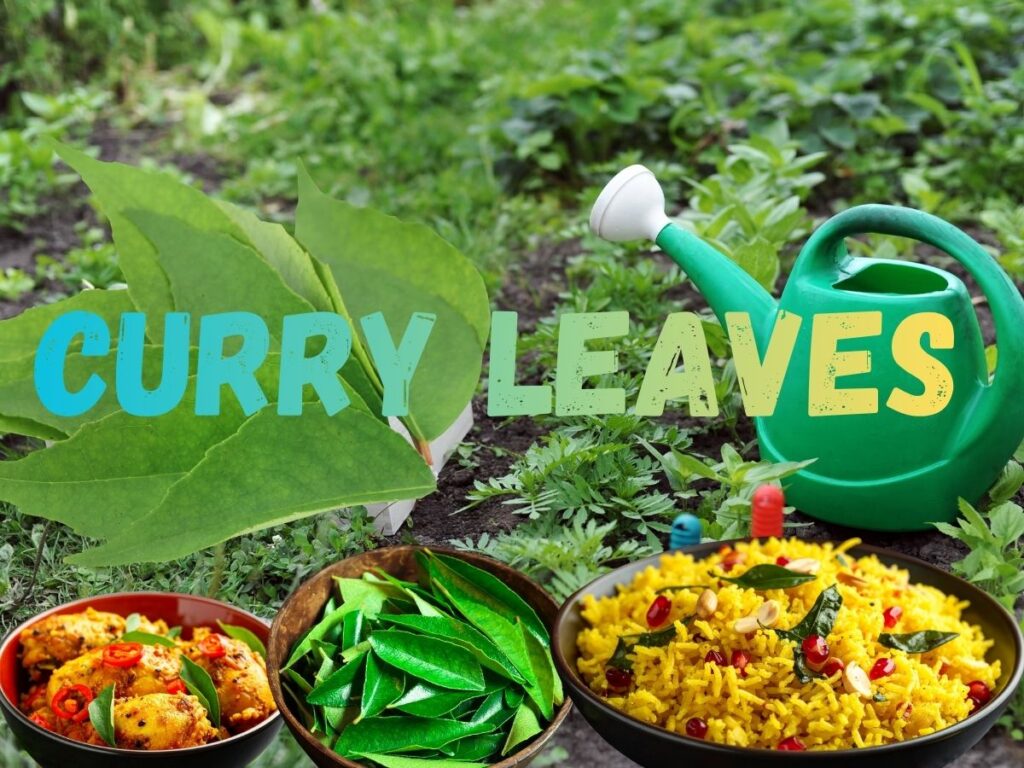
If you’re in a warm climate (USDA zones 9–11), curry trees thrive outdoors in full sun with well-drained soil. In cooler areas, grow as a potted houseplant or patio plant—bring indoors for winter. They prefer humidity, moderate watering (let soil dry between), and pruning to stay bushy (4–6 feet). Propagate from seeds or cuttings; harvest leaves year-round. The plant repels pests naturally, making it garden-friendly.
Curry Leaves Chutney Recipe
Curry leaves chutney is a vibrant, aromatic South Indian condiment packed with the fresh, earthy flavor of curry leaves. It’s nutritious, easy to make, and pairs perfectly with idlis, dosas, uttapams, or even rice. This recipe serves 4 and takes about 20-25 minutes.
Ingredients
For the main chutney:
2 cups fresh curry leaves (about 30 grams, rinsed and patted dry)
3-4 green chilies (or dried red chilies for a spicier, reddish version)
¾ teaspoon cumin seeds
½ teaspoon salt (adjust to taste)
3 medium garlic cloves (or ½-inch piece of ginger, peeled and sliced)
1 tablespoon oil (divided)
1 tablespoon lemon juice (or 1 teaspoon tamarind paste for tang)
For the base (choose one option):
½ cup fresh grated coconut (preferred for bright green color)
Or 1½ tablespoons chana dal + ¾ tablespoon urad dal (roasted for a nutty texture; substitute with ¼ cup roasted peanuts if needed)
Or ½ cup sliced onions or shallots (sautéed for a milder flavor)
For optional tempering (tadka):
½ tablespoon oil
¼ teaspoon mustard seeds
Pinch of urad dal
1 dried red chili, broken
1-2 garlic cloves, sliced
5-6 curry leaves
Pinch of asafoetida (hing)
Step-by-Step Instructions
- Prepare the curry leaves: Rinse the curry leaves thoroughly 2-3 times in water. If they’re not organic, soak in a vinegar-baking soda solution for 5 minutes, then rinse again. Pat dry with a kitchen towel and let air-dry for a few minutes to remove excess moisture—this prevents the chutney from turning watery.
- Roast the aromatics: Heat ½ tablespoon oil in a pan over medium heat. Add the chana dal, urad dal (if using), and cumin seeds. Fry until the dals turn light golden (about 1-2 minutes). Add the green chilies and garlic (or ginger); sauté until the chilies blister slightly. Remove everything to a plate and let cool.
- Fry the curry leaves and coconut: In the same pan, add the remaining ½ tablespoon oil. Toss in the curry leaves and fry on medium heat for 1-2 minutes until they become crisp and aromatic (don’t let them burn, or they’ll taste bitter). If using fresh coconut, add it now and stir for another 1-2 minutes until warm. (If substituting with onions/shallots, sauté them separately until golden.) Let this cool completely.
- Blend the chutney: Transfer the roasted dals, cumin, chilies, garlic, salt, lemon juice (or tamarind), curry leaves, and coconut to a blender or food processor. Add ¼ cup water and blend to a smooth paste. Gradually add up to ½-¾ cup more water for your desired consistency—thicker for idlis or thinner for drizzling. Taste and adjust salt or tang.
- Optional tempering: For extra flavor, heat ½ tablespoon oil in a small pan. Add mustard seeds and let them splutter. Stir in urad dal, broken red chili, garlic slices, and curry leaves. Fry until crisp, add a pinch of hing, then pour the hot tadka over the chutney. Mix well.
Serving Suggestions and Tips
Serve fresh with steamed idlis, dosas, or as a side for rice and dal.
Storage: Refrigerate in an airtight container for up to 3-4 days. Stir before serving, as it may thicken.
Variations: For a nutty twist, use roasted peanuts instead of dals. Use red chilies for a deeper color, or skip coconut for an onion-based version.
Pro Tip: Fresh curry leaves give the best flavor and color—avoid dried if possible. If your blender struggles, grind in batches.
This recipe draws from traditional South Indian methods for an authentic taste.
Enjoy! If you’d like adjustments for spice level or vegan tweaks, you may try using ingredients of your own choice..
Related