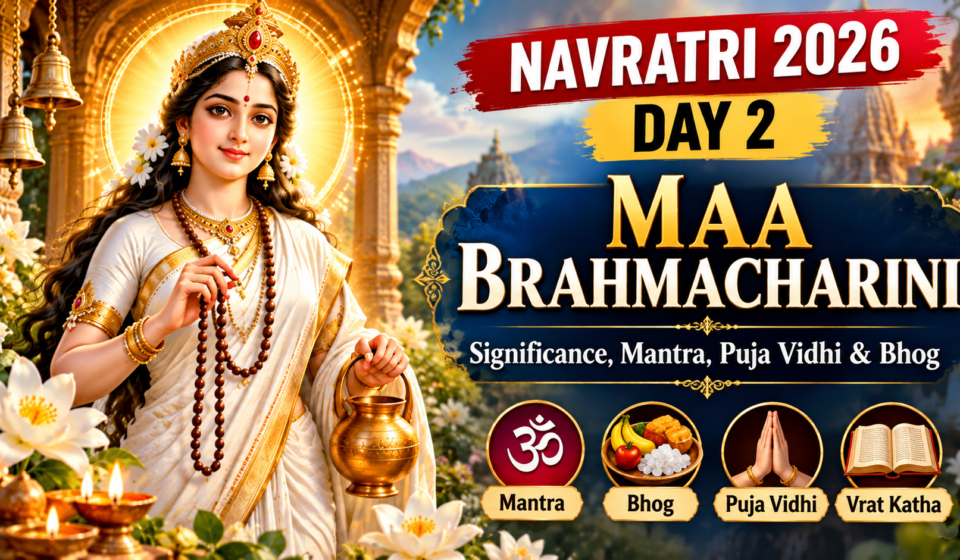
Navratri Day 2 2026: Maa Brahmacharini Puja Vidhi, Mantra & Bhog

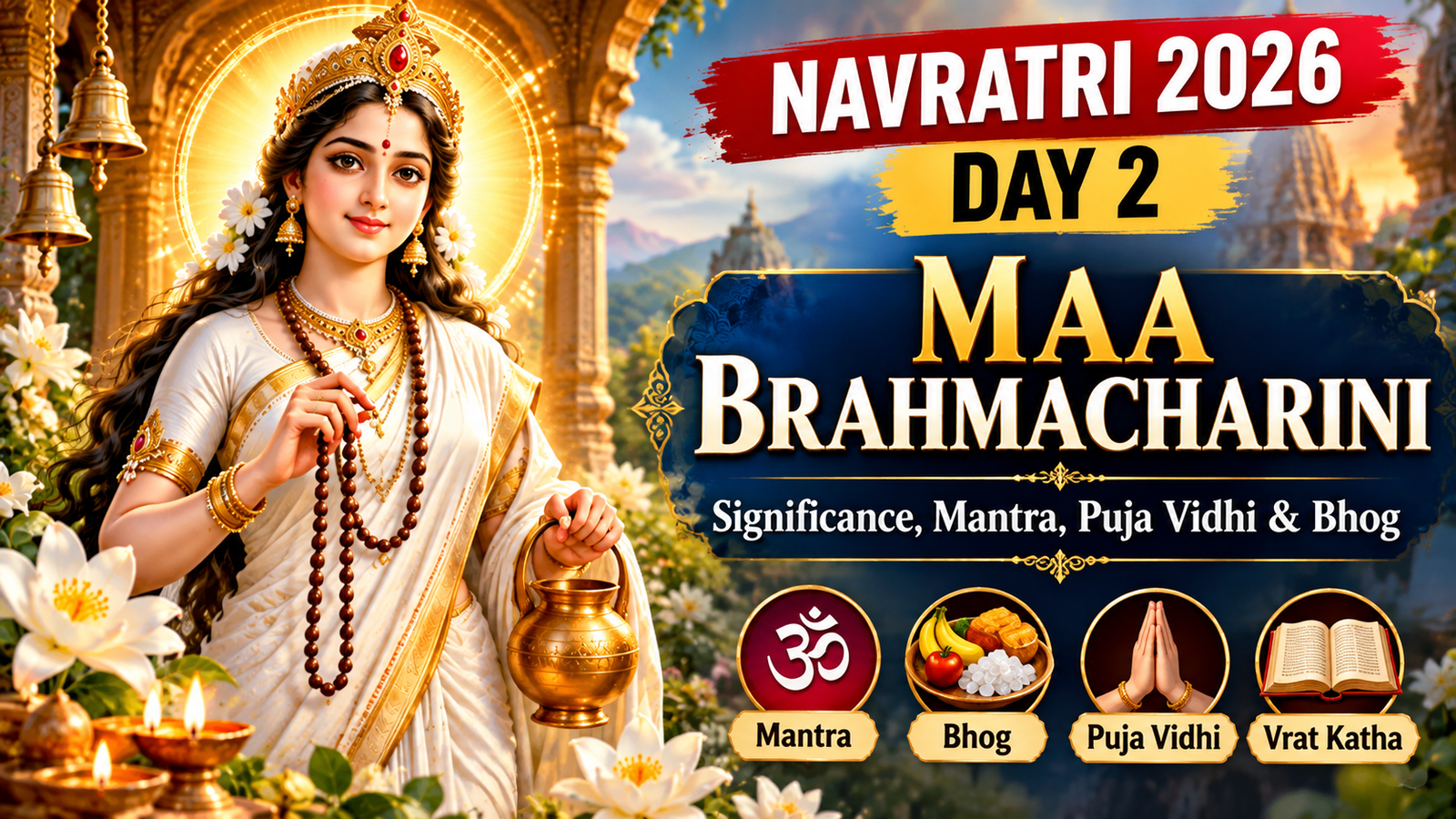
Discover Maa Brahmacharini's significance, Navratri Day 2 puja vidhi, mantra, vrat katha, traditional bhog and the spiritual meaning of her worship in 2026.
SHARDIYA NAVRATRI 2026 | DAY 2 | SPIRITUALITY
Table of Contents
ToggleMaa Brahmacharini: Significance, Puja Vidhi, Mantra, Bhog & Vrat Katha
Navratri is a sacred journey of devotion, self-discipline and spiritual awakening. As the nine divine nights unfold, devotees worship the different manifestations of Maa Durga, each representing a distinctive quality of divine feminine energy.
On the second day of Shardiya Navratri 2026, devotees worship Maa Brahmacharini, the second form of Navdurga. She represents penance, devotion, patience and unwavering determination. Her divine form reminds us that meaningful achievements often require faith, discipline and the courage to remain committed to our goals.
Whether you are observing a Navratri fast, performing daily puja at home or simply wishing to understand the spiritual significance of the festival, this guide explains Maa Brahmacharini's appearance, traditional story, mantra, puja vidhi, bhog and the lessons her worship offers.
Navratri Day 2 at a glance
- Date: Monday, 12 October 2026
- Goddess: Maa Brahmacharini
- Traditional colour: White
- Associated qualities: Devotion, patience, penance and discipline
- Mantra: Om Devi Brahmacharinyai Namah
- Traditional offerings: Sugar, fruits and other suitable prasad, according to family custom
1. Who Is Maa Brahmacharini?
Maa Brahmacharini is the second manifestation of Goddess Durga worshipped during Navratri. She is revered as the embodiment of tapasya, or spiritual austerity, and is associated with devotion, self-control, patience and determination.
In traditional Hindu accounts, the Goddess undertakes intense penance to attain Lord Shiva as her consort. Her unwavering commitment becomes a symbol of spiritual resolve and the power of disciplined devotion.
Unlike the fierce warrior forms of the Goddess, Maa Brahmacharini is commonly depicted in a serene and simple form. Her appearance emphasises the inner strength that comes from a focused mind and a steadfast heart.
Her worship on the second day of Navratri encourages devotees to look beyond immediate rewards and cultivate the patience needed to pursue meaningful spiritual and personal goals.
2. What Does the Name Brahmacharini Mean?
The name Brahmacharini is traditionally associated with a life of spiritual discipline, devotion and the pursuit of a higher purpose. The term is connected with the idea of Brahmacharya, which can refer to disciplined conduct and dedication to spiritual growth.
Maa Brahmacharini represents the strength to remain committed to one's chosen path, even when progress is slow or the journey becomes difficult.
Her message is especially relevant in modern life, where distractions, impatience and the desire for instant results can make it difficult to remain focused.
Her worship reminds devotees that lasting progress often grows from small, consistent actions performed with sincerity.
3. Maa Brahmacharini's Divine Appearance and Symbolism
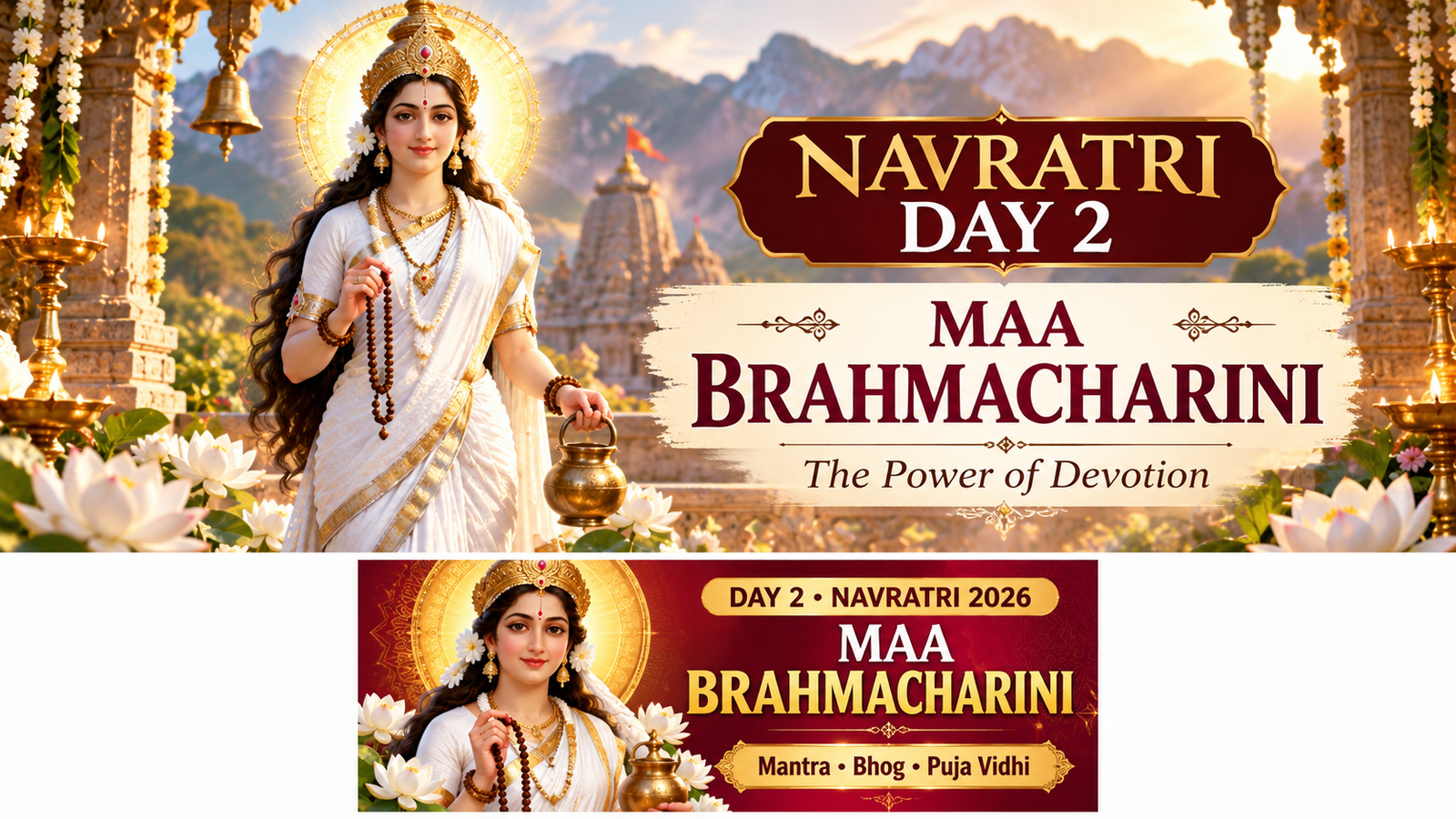
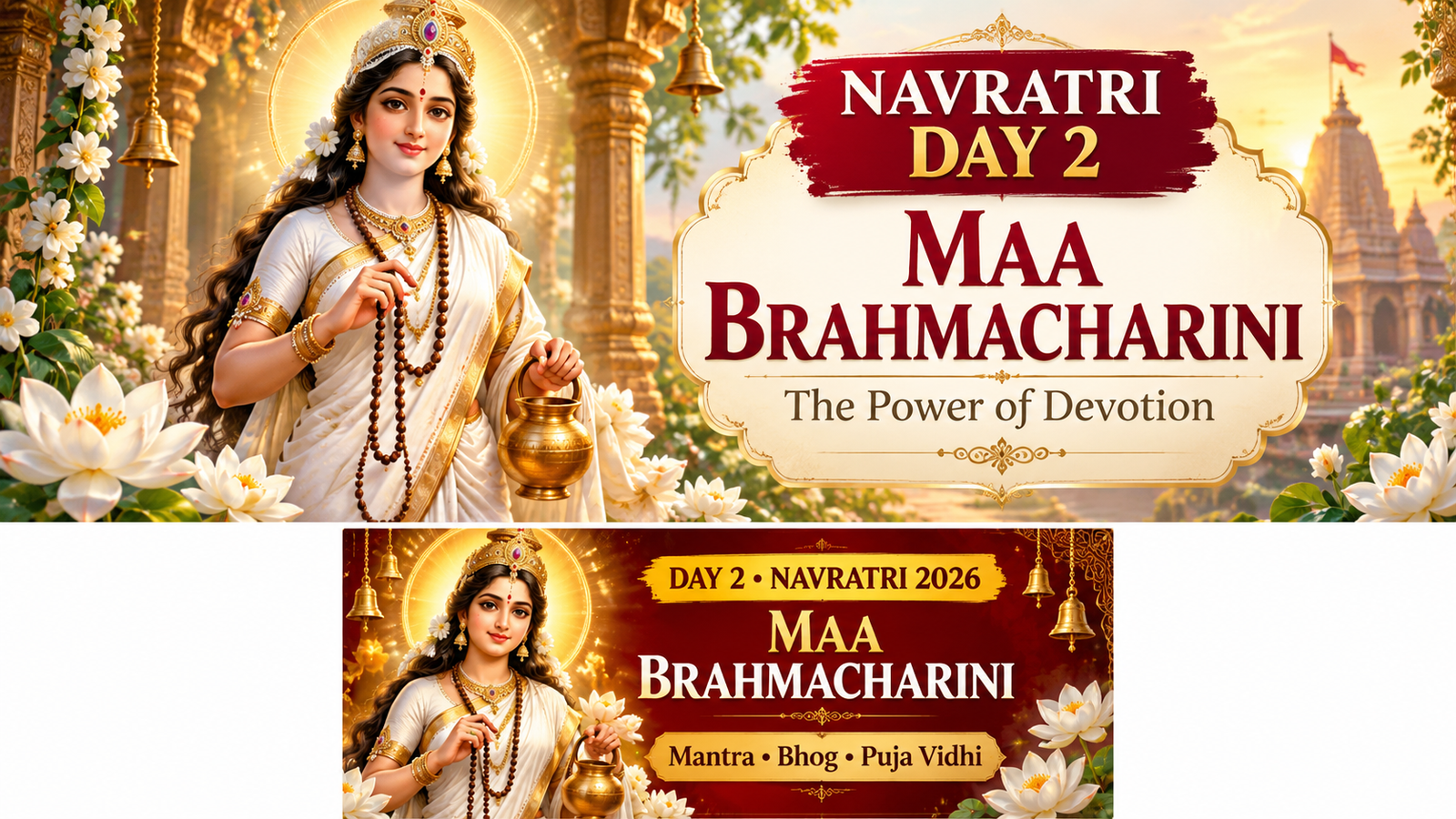
Maa Brahmacharini is usually depicted as a graceful Goddess dressed in simple white or light-coloured garments. She holds a rosary, known as a japa mala, in one hand and a kamandalu, or sacred water pot, in the other.
The rosary
The rosary symbolises prayer, meditation and sustained spiritual practice. It reminds devotees of the importance of regular remembrance and concentration.
The kamandalu
The kamandalu is associated with simplicity, ascetic discipline and the renunciation of unnecessary distractions. It represents a life oriented towards spiritual purpose rather than material excess.
Her calm expression
Her serene appearance reflects inner peace, patience and self-control. It suggests that strength does not always have to be loud or aggressive; sometimes it is the quiet ability to persevere that matters most.
Together, these symbols present Maa Brahmacharini as a source of inspiration for those seeking clarity, discipline and devotion.
4. Maa Brahmacharini Vrat Katha: The Story of Devotion and Penance
According to traditional Hindu narratives, Maa Brahmacharini is associated with the intense penance performed by Goddess Parvati to attain Lord Shiva as her consort.
In the story, Parvati develops a deep devotion to Lord Shiva. Guided by her spiritual determination, she undertakes prolonged austerities and remains steadfast despite hardship.
The traditional account describes her penance as so intense that she gives up comforts and endures great difficulty. Her unwavering devotion becomes the defining feature of her identity as Brahmacharini.
Through her discipline and commitment, the Goddess demonstrates that spiritual dedication is not merely an emotion. It is expressed through sustained effort, patience and faith.
The spiritual message of the story
The vrat katha offers several lessons for devotees:
- Patience: Important goals may require time and perseverance.
- Faith: Belief can provide strength during difficult periods.
- Self-discipline: Consistent effort helps us remain focused.
- Commitment: A meaningful purpose deserves sincere dedication.
- Inner strength: Quiet determination can be more powerful than outward display.
Devotees who listen to or reflect on this story during Navratri often take it as an invitation to strengthen their own commitment to prayer, family responsibilities, learning or other worthwhile pursuits.
5. Navratri Day 2: Maa Brahmacharini Puja Vidhi at Home
Worship of Maa Brahmacharini can be performed through a simple, respectful prayer at home. Ritual details differ between regions and family traditions, so devotees may follow the method customary in their household.
Puja samagri
- Image or idol of Maa Brahmacharini
- Clean cloth for the puja platform
- Fresh flowers
- Kumkum, roli and akshat, according to tradition
- Diya, cotton wick and ghee or oil
- Incense or dhoop
- Fruits and suitable prasad
- Clean water and a puja thali
Step-by-step puja
- Clean the puja area: Prepare a clean, peaceful space for worship.
- Begin with a prayer: Sit comfortably and offer a prayer to Maa Durga and Maa Brahmacharini.
- Light a diya: Light the lamp safely and place it in a secure area.
- Offer flowers: Present fresh flowers and other customary offerings with devotion.
- Chant the mantra: Recite the Maa Brahmacharini mantra slowly and attentively.
- Offer bhog: Present fruits, sugar or other suitable prasad according to family tradition.
- Perform aarti: Conclude with aarti or a familiar Devi prayer.
- Pray for strength and wisdom: Ask for the patience and discipline to meet life's responsibilities.
There is no need to make the ritual unnecessarily complicated. Devotion, cleanliness and sincerity are central to a simple household observance.
6. Maa Brahmacharini Mantra
Devotees commonly recite the following mantra while worshipping Maa Brahmacharini on the second day of Navratri.
ॐ देवी ब्रह्मचारिण्यै नमः॥
Transliteration:
Om Devi Brahmacharinyai Namah.
Meaning: Salutations to Goddess Brahmacharini.
The mantra is a devotional salutation to the Goddess. Devotees may repeat it a number of times according to their preference or household practice.
How to chant the mantra
- Sit in a clean and quiet place.
- Keep your attention on the Goddess and the meaning of the prayer.
- Repeat the mantra calmly without rushing.
- Conclude with a short prayer of gratitude.
If you already follow a particular mantra or prayer tradition, you may continue with it. The aim is sincere devotion rather than competition over the number of repetitions.
7. What Bhog Is Offered to Maa Brahmacharini?
Traditional offerings to Maa Brahmacharini may include sugar, fruits and other simple foods prepared according to the devotee's family or regional custom.
Sugar is frequently mentioned in popular Navratri devotional guides as an offering associated with Maa Brahmacharini. Some households also offer milk-based preparations, fruit or other suitable prasad. Practices are not identical everywhere.
Simple prasad ideas
- Fresh seasonal fruit
- A small offering of sugar, where customary
- Milk or a suitable milk-based preparation
- Traditional sweets prepared according to household practice
Prepare and offer food respectfully, following your family's dietary and ritual traditions. After the prayer, prasad may be shared with family members and other devotees.
The purpose of bhog is to express gratitude and devotion. It should not be treated as a universal list of compulsory offerings.
8. Navratri Day 2 Colour 2026: Why White?
White is the commonly listed colour for the second day of Shardiya Navratri 2026. The colour is often associated with peace, purity, serenity and spiritual focus.
Wearing white during Maa Brahmacharini's worship is a popular festive custom. Devotees may choose white clothing, a white dupatta or a simple accessory to mark the occasion.
Colour traditions can vary between regional calendars and communities. Wearing a particular colour is a customary way of participating in the festival, not a requirement for receiving the Goddess's blessings.
The deeper message of the day is to cultivate clarity of thought, sincerity in action and patience in difficult circumstances.
9. Five Life Lessons We Can Learn from Maa Brahmacharini
1. Stay committed to your goals
Maa Brahmacharini's traditional story celebrates sustained commitment. In everyday life, meaningful progress often comes from consistent effort rather than occasional bursts of enthusiasm.
2. Practise patience
Not every worthwhile result arrives quickly. Her worship reminds devotees to give important tasks the time and attention they deserve.
3. Develop self-discipline
Small daily habits can strengthen our ability to focus. Whether studying, working, caring for family or following a spiritual practice, discipline helps turn intentions into action.
4. Keep faith during challenging times
Faith can provide emotional and spiritual support when circumstances are difficult. Maa Brahmacharini symbolises the strength to remain steady while working through challenges.
5. Choose simplicity when it helps you focus
Her simple appearance reminds us that a meaningful life does not depend entirely on outward display. Reducing distractions can help us devote more attention to what truly matters.
10. Navratri Fasting: Common Practices and Precautions
Some devotees observe a fast on the second day of Navratri, while others fast throughout the festival or follow a modified diet. The rules depend on regional and family traditions.
Depending on the custom followed, fasting meals may include fruit, milk, potatoes, sabudana, kuttu flour, singhare ka atta and sendha namak.
Tips for observing a fast responsibly
- Plan suitable meals rather than skipping food without preparation.
- Maintain hydration when your fasting practice permits.
- Choose nourishing foods during permitted eating periods.
- Rest if you feel weak, dizzy or unwell.
- Adapt the observance to your health needs and medical advice.
Fasting is a personal religious practice. People with medical conditions, those taking medication, pregnant individuals and anyone for whom fasting may be unsafe should seek appropriate medical guidance before undertaking dietary restrictions.
Devotion can also be expressed through prayer, charitable acts and self-discipline without undertaking a fast that could harm one's health.
Frequently Asked Questions About Maa Brahmacharini
When is Navratri Day 2 in 2026?
The second day of Shardiya Navratri falls on Monday, 12 October 2026, according to the published 2026 Navratri calendar.
Which Goddess is worshipped on the second day of Navratri?
Maa Brahmacharini, the second form of Navdurga, is worshipped on the second day.
What is the mantra of Maa Brahmacharini?
A commonly recited mantra is: ॐ देवी ब्रह्मचारिण्यै नमः॥ Transliteration: Om Devi Brahmacharinyai Namah.
What is the colour of Navratri Day 2 in 2026?
White is the colour commonly listed for Day 2 of Shardiya Navratri 2026.
What bhog is offered to Maa Brahmacharini?
Sugar and fruits are frequently mentioned in popular devotional traditions. Other offerings vary by family and region.
What does Maa Brahmacharini symbolise?
She symbolises penance, devotion, patience, discipline and unwavering commitment to a spiritual purpose.
Can I worship Maa Brahmacharini without fasting?
Yes. Devotees can worship through prayer, mantra chanting, flowers, suitable offerings and aarti. Fasting is a personal observance and is not suitable for everyone.
Conclusion: Let Devotion Become Your Strength
Maa Brahmacharini's worship on the second day of Shardiya Navratri reminds devotees that patience, discipline and faith can provide strength through life's challenges.
Her serene form and traditional story encourage us to remain committed to meaningful goals, practise self-control and meet difficulties with a steady mind.
As we continue the sacred journey of Navratri, may Maa Brahmacharini inspire every home with peace, perseverance, wisdom and devotion.
जय माँ ब्रह्मचारिणी! जय माता दी!
Share your thoughts: What does Maa Brahmacharini's message of patience and perseverance mean to you? Share your Navratri wishes in the comments.
Sources and Further Reading
Related